How to Choose the Best Wet Cat Food for Your Pet's Health?
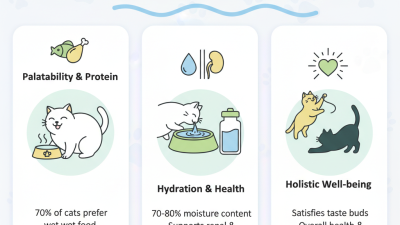
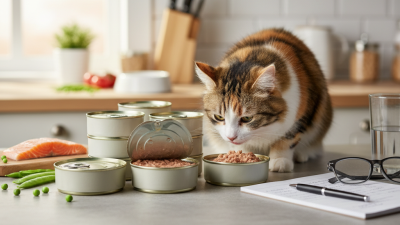
Choosing the best wet cat food is essential for your pet's health. Cats have specific nutritional needs. A balanced diet can enhance their well-being. Wet cat food often contains higher moisture levels. This is beneficial for hydration, especially for cats that don't drink enough water.
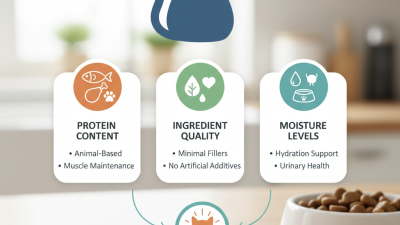
However, not all wet cat foods are created equal. Some contain fillers and artificial additives. Reading ingredient labels is crucial. Look for high-quality proteins and essential nutrients. A good wet cat food should contain real meat as the first ingredient. Cats thrive on animal-based proteins, which support their energy levels.
Understanding your cat’s individual needs is also important. Some cats may require special dietary considerations due to health conditions. Their age, weight, and activity level play a role. Experimenting with different brands may take time. Be patient and observe your cat's preferences and reactions. Finding the right wet cat food may require reflection and adjustments along the way.
Understanding Nutritional Needs of Cats
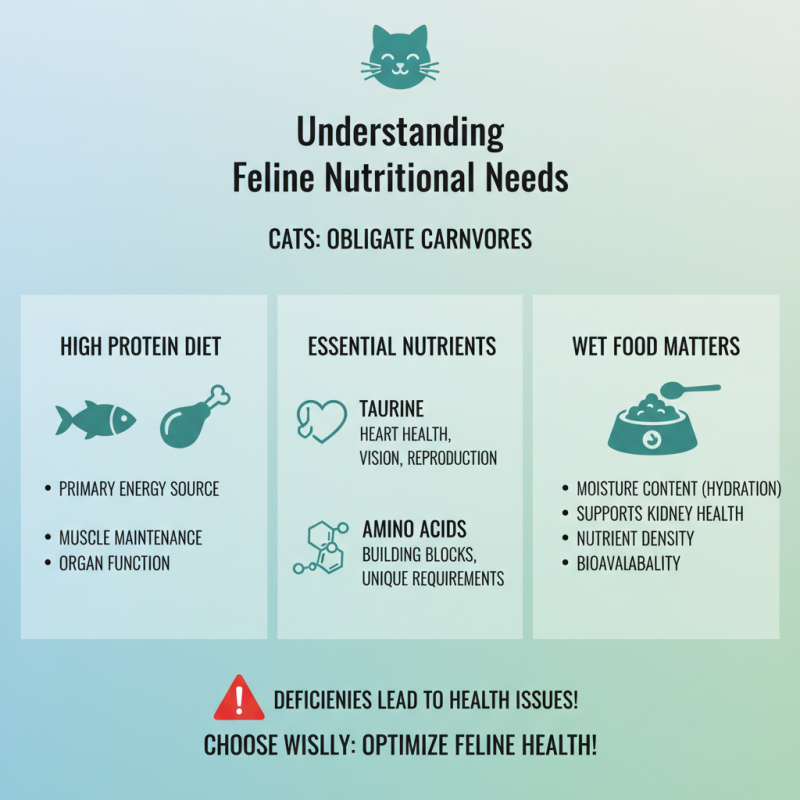
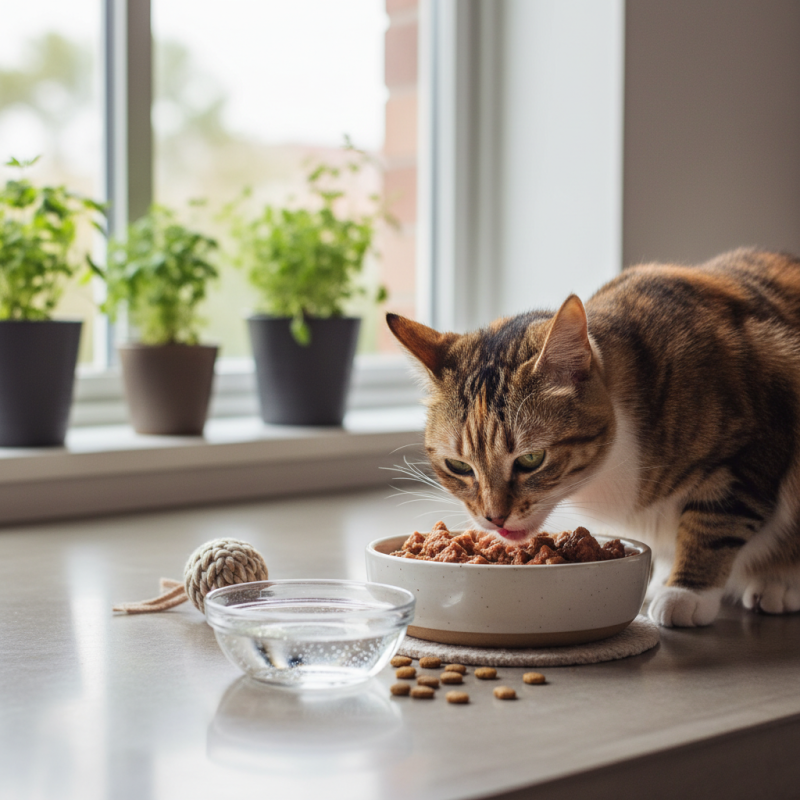
Cats are obligate carnivores. Their nutritional needs differ from those of dogs or humans. They require a diet high in protein and have a specific need for certain amino acids, like taurine. Without these nutrients, health problems may arise. This is why understanding nutrition is crucial when selecting wet cat food.
When choosing wet cat food, look for quality protein sources. Cats thrive on animal proteins. Check the ingredient list for named meats, rather than vague terms like "meat by-products." Many cats also need moisture in their diet, which wet food provides. This can help with hydration, especially in those that drink less water.
Some cats may have dietary sensitivities or health issues. In these cases, it's essential to consult a veterinarian. They can offer tailored advice based on individual needs. Observing your cat's reaction to new foods is important too. Not every cat will respond positively to a change in diet. Pay attention to their energy levels and coat condition. This can offer insights into their nutritional health.
Types of Wet Cat Food Available in the Market
When exploring types of wet cat food, it’s important to understand the options available. There are generally three main categories: pâté, chunks in gravy, and stew. Each type has unique textures and flavors tailored to different preferences. Pâté is smooth and easy to digest, making it ideal for cats who prefer a softer consistency. On the other hand, chunks in gravy offer a more substantial bite, often appealing to cats that enjoy chewing.
According to the Pet Food Industry Association, wet cat food comprises about 30% of the total cat food market. Many wet foods contain higher moisture content compared to dry food, which can aid in hydration. This is crucial given that many cats underconsume water. A 2017 study indicated that cats consuming wet food had a lower risk of urinary tract issues. However, it’s vital to check for quality ingredients, as some wet foods may contain fillers and artificial flavors that do not contribute to overall health.
Another pivotal factor is the nutritional balance provided by wet cat food. A 2020 analysis by the Association of American Feed Control Officials (AAFCO) revealed that not all wet cat foods meet the required nutritional standards for growth and maintenance. Therefore, pet owners should read labels attentively and opt for foods with high protein content sourced from real meat. It is essential to know that individual preferences and dietary needs can vary greatly among cats, warranting thorough research before making a choice.
How to Choose the Best Wet Cat Food for Your Pet's Health?
| Type of Wet Cat Food |
Protein Source |
Key Benefits |
Common Ingredients |
Ideal For |
| Grain-Free |
Chicken, Fish, Turkey |
Promotes healthy weight, reduces allergies |
Meat, Vegetables, Broth |
Cats with food sensitivities |
| High Protein |
Beef, Chicken, Fish |
Supports muscle maintenance, energy boost |
Meat, Organ meats, Broth |
Active or growing cats |
| Pate |
Chicken, Lamb, Fish |
Easily digestible, palatable texture |
Meat, Liver, Vitamins |
Picky eaters |
| Chopped |
Turkey, Beef, Chicken |
Texture variety, encourages chewing |
Meat, Gravy, Vegetables |
Cats needing dental stimulation |
| Stew |
Chicken, Fish |
Moisture-rich, enhances hydration |
Meat, Gravy, Broth |
Dehydrated or older cats |
Reading and Interpreting Ingredient Labels
When selecting wet cat food, reading ingredient labels is crucial. Ingredients are usually listed in descending order by weight. The first few items significantly influence the food's quality. Look for high-quality protein sources, like chicken or fish. Cats are obligate carnivores, needing animal protein for optimal health. A report from the Association of American Feed Control Officials (AAFCO) highlights that animal by-products can be less nutritious.
Tip: Focus on identifiable ingredients. If you see words like “meat meal” or “by-product,” it may indicate lower quality. Also, consider the presence of fillers like corn or soy, as they provide less nutritional value. Aim for products with whole ingredients, which can lead to better health outcomes.
Another important aspect is additives like vitamins and minerals. They should be sourced from reputable suppliers. Studies by the Pet Food Institute have shown that diets lacking essential nutrients can affect your cat's long-term health. Cats require taurine, an amino acid vital for heart and eye health.
Tip: Always look for a guaranteed analysis on the label. This section provides insight into the food's protein, fat, and moisture content. Understanding these numbers helps in making an informed decision. The right nutrition is a key factor in promoting your cat's longevity and quality of life.
Nutrition Composition of Wet Cat Food
Considering Your Cat's Specific Dietary Requirements
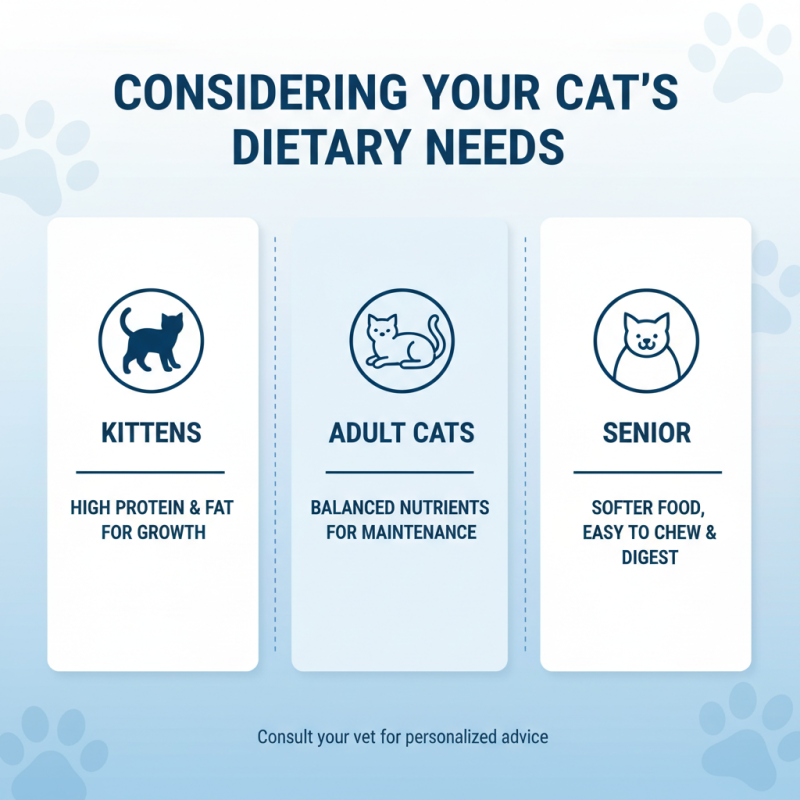
When choosing wet cat food, consider your cat's specific dietary requirements. Each cat has unique needs based on age, health, and lifestyle. For example, kittens require higher protein and fat for growth. Older cats may need softer food that is easier to chew and digest.
Consulting your veterinarian is crucial. They can guide you on the essential nutrients your cat needs. Some cats may have allergies or sensitivities that affect their diet. Reading labels can be overwhelming. Look for high-quality ingredients and avoid fillers. Ingredients should be recognizable and beneficial.
It's essential to experiment. Not every brand or flavor will appeal to your pet. Be attentive to how your cat responds. Adjust portions based on weight and activity level. Regular monitoring fosters a healthier lifestyle. Finding the right food is a journey filled with trial and error, but it’s worth the effort for your cat’s well-being.
Evaluating Brand Reputation and Recalls
When selecting wet cat food, brand reputation and recalls should be a top focus. A study by the American Association of Feed Control Officials (AAFCO) indicates that over 10% of pet food brands have faced recalls in recent years. This alarming statistic highlights the importance of evaluating the manufacturer's history for safety and quality.
Consumers can look for brands that have been in the market for years. Established companies often have better oversight and transparency. They typically publish detailed reports regarding their sourcing and production processes. Research shows that brands with fewer recalls tend to prioritize quality control and maintain high safety standards.
Tips: Check online reviews, especially from pet health experts. Investigate the brand’s recall history, which can usually be found on their website. If you identify any history of recalls, assess the reasons and the company's response. This helps gauge their commitment to quality and safety.
Another critical factor is ingredient sourcing. Brands that collaborate with farms directly often provide fresher ingredients. However, not all brands disclose this information, leaving consumers in the dark. It's vital to reach out to companies for clarification. Look for third-party testing certifications, as these reflect a brand's commitment to product quality. The more informed you are, the better your choices will be for your feline friend.